Conservation
High Degree of Protection
One of New Zealand's great sanctuaries
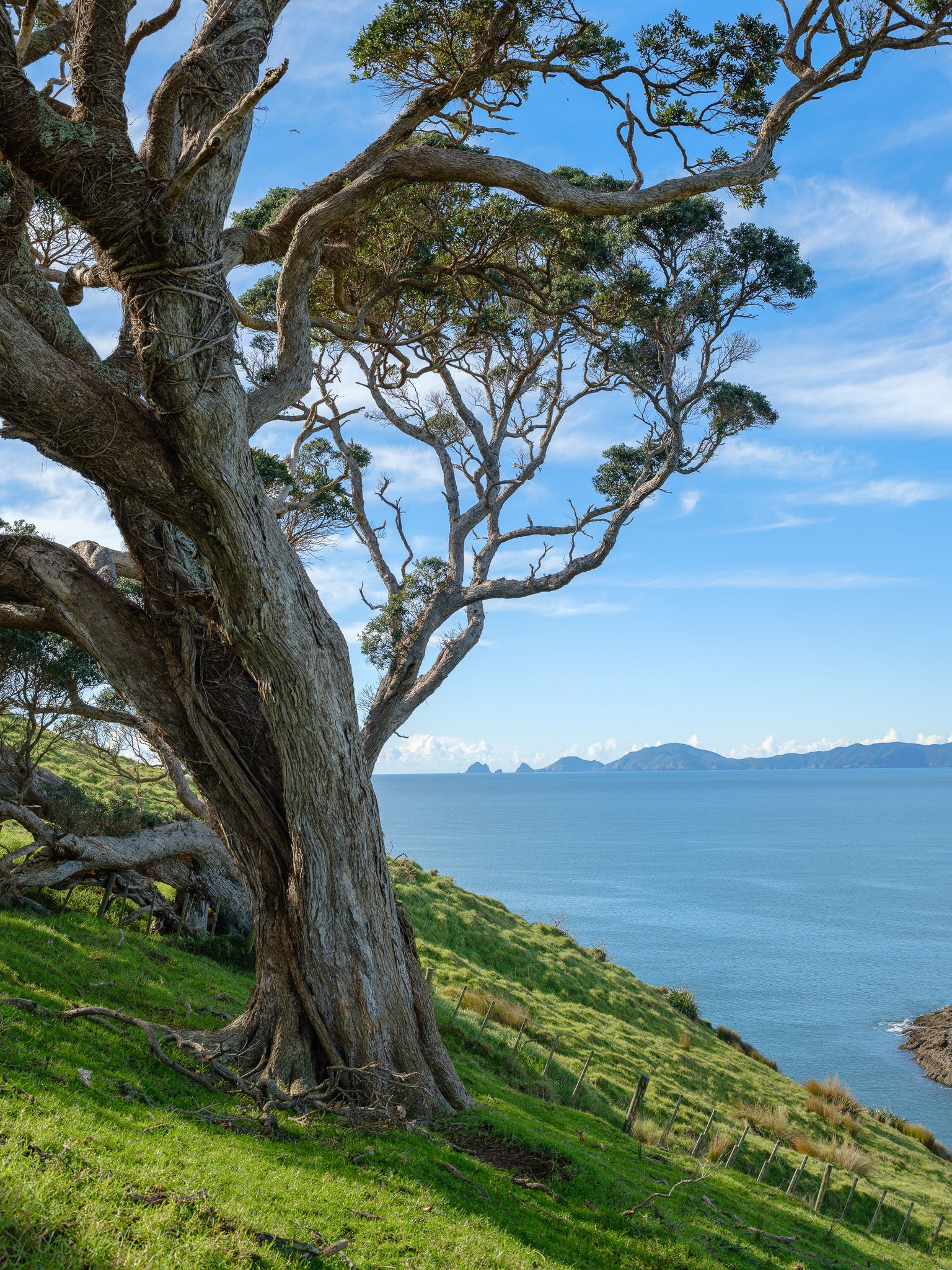
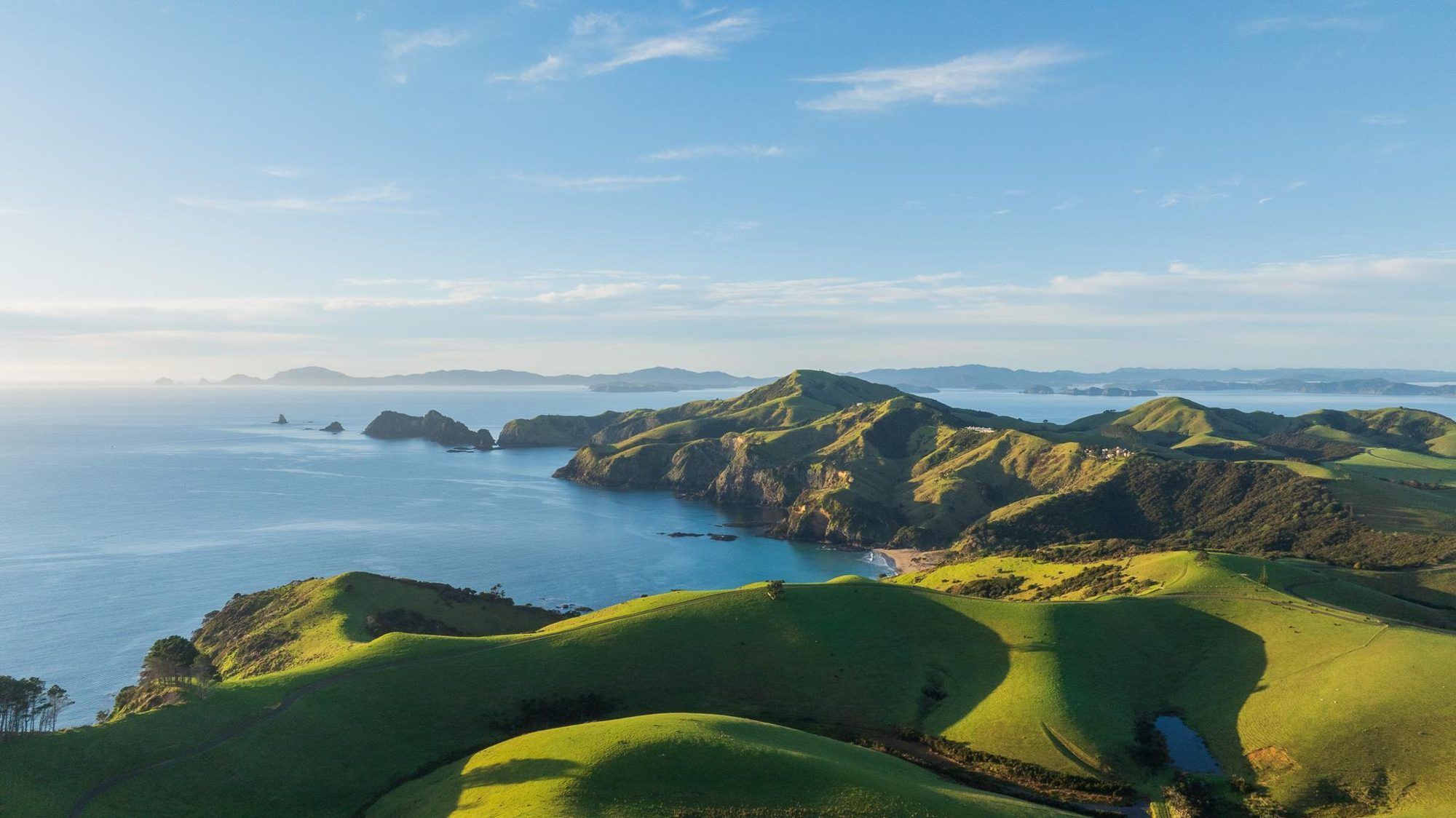
The dedicated conservation estate of Mataka is now over 860 acres (350 hectares) of actively managed native habitat, the result of decades of investment by developers and subsequent owners committed to the land's wild character.
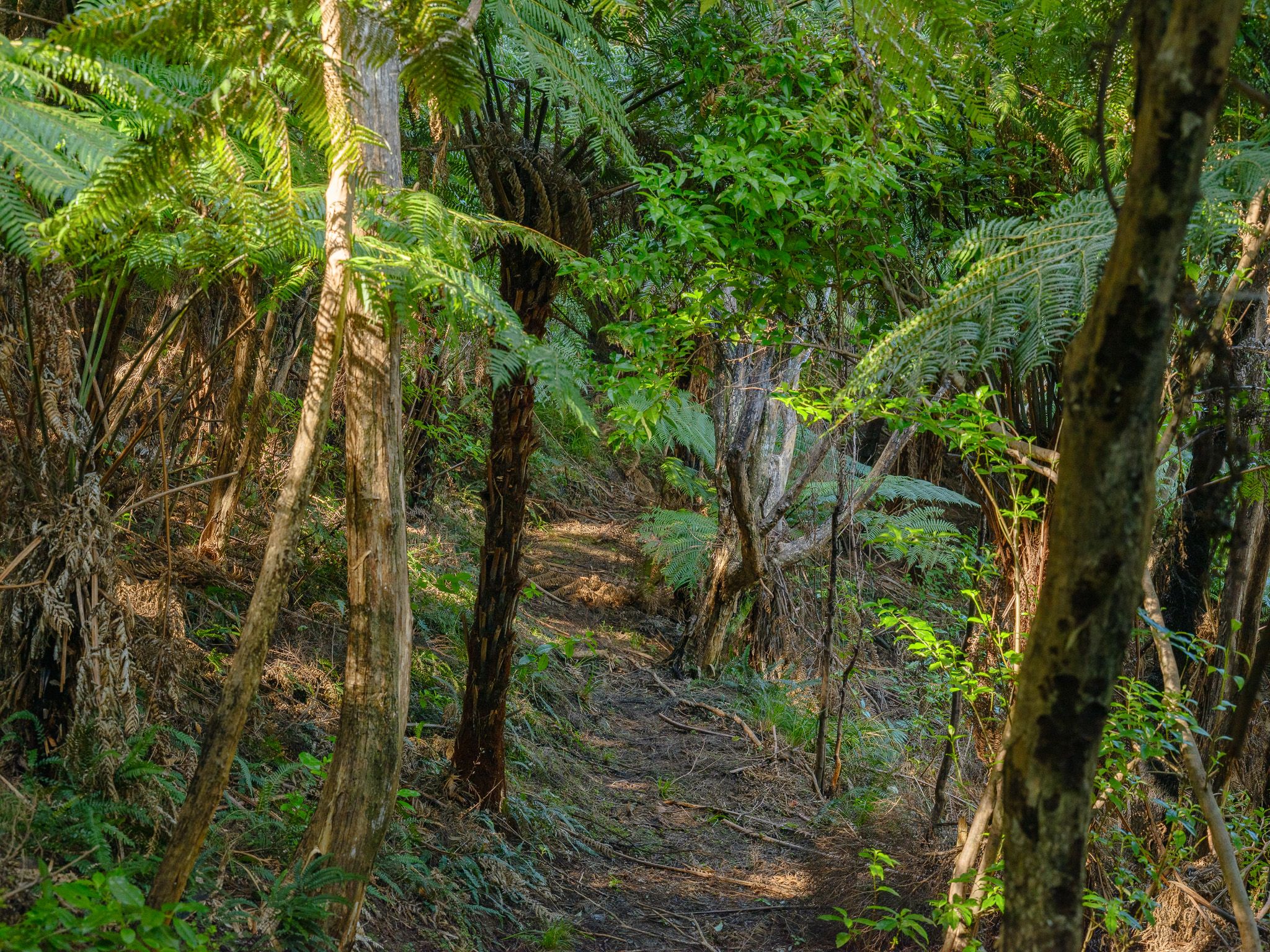
Large valleys feature native mānuka and kānuka in dense, undisturbed stands. These forests support rare kiwi habitat, native honey production, and serve as living nurseries for indigenous tree species. Large areas of the estate have been completely fenced to prevent incursion from livestock or domestic animals.
Mataka provides a high degree of ecological diversity and a haven for kiwi, an iconic bird facing extinction risk. The population here is considered one of the most significant on a single private property in all of New Zealand.
- 860ac
- Conservation Estate
- 350ha
- Native Habitat
- 110km
- Conservation Fencing
- No. 1
- Private Kiwi Population
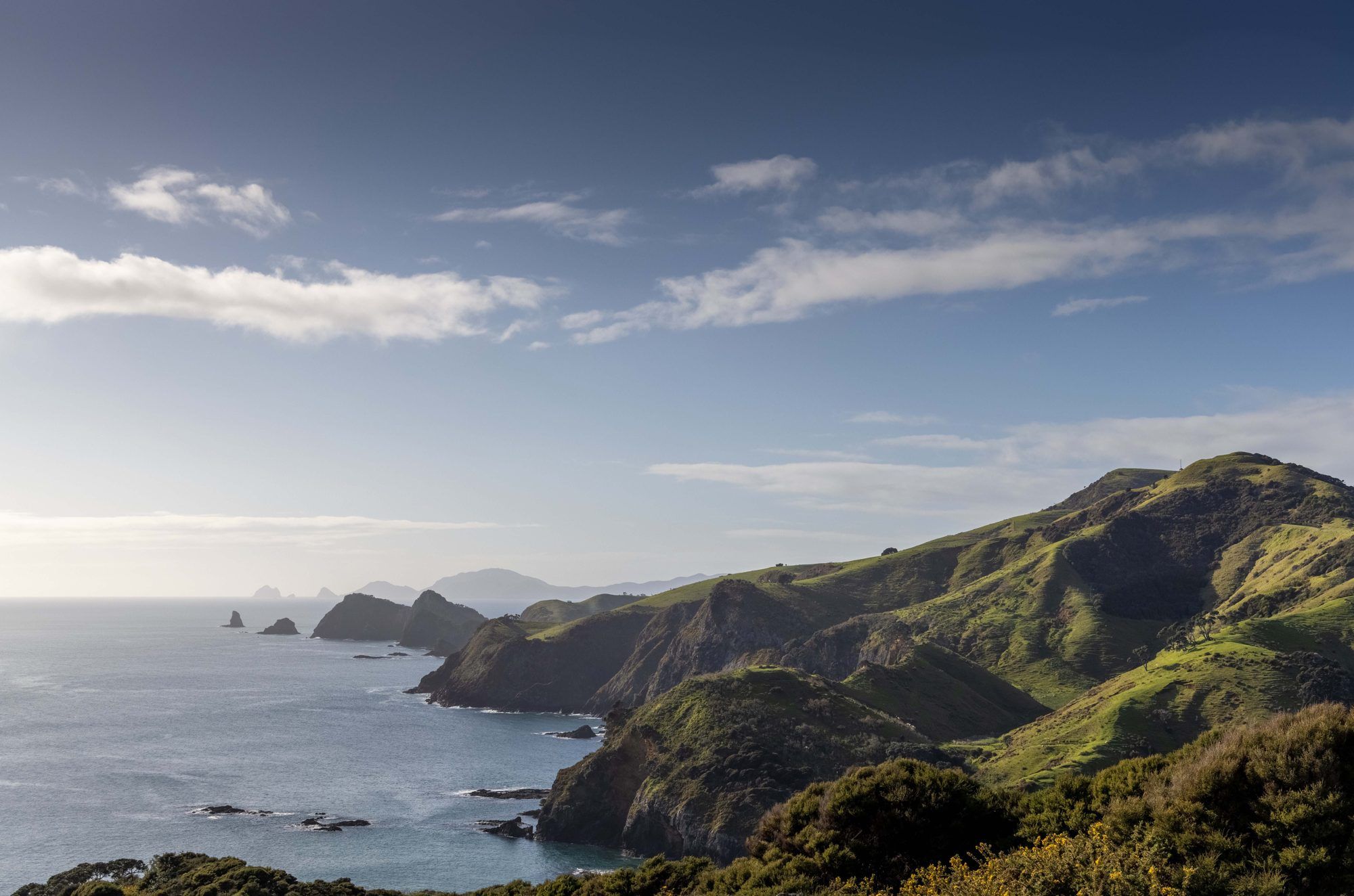
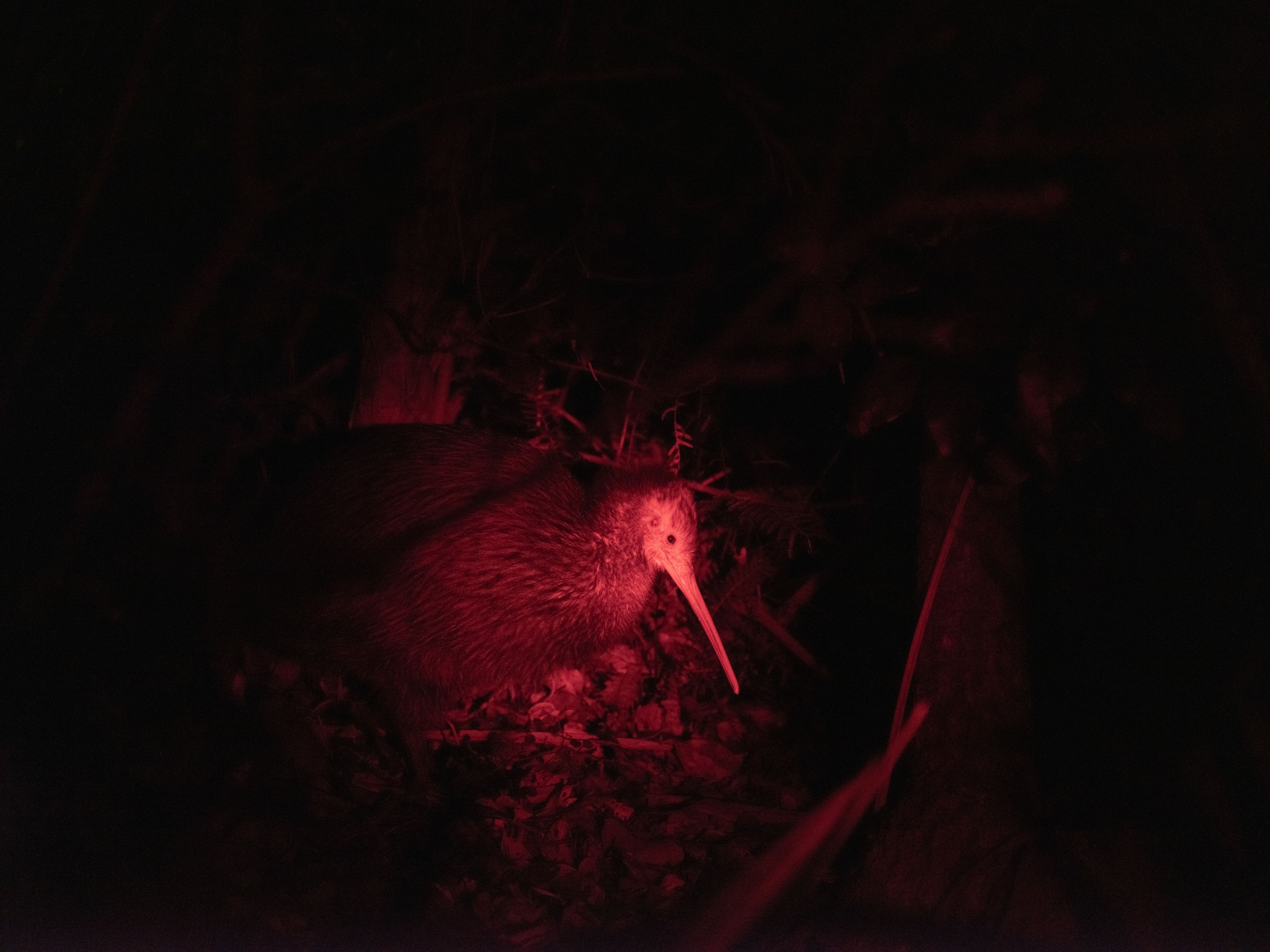
The kiwi at Mataka
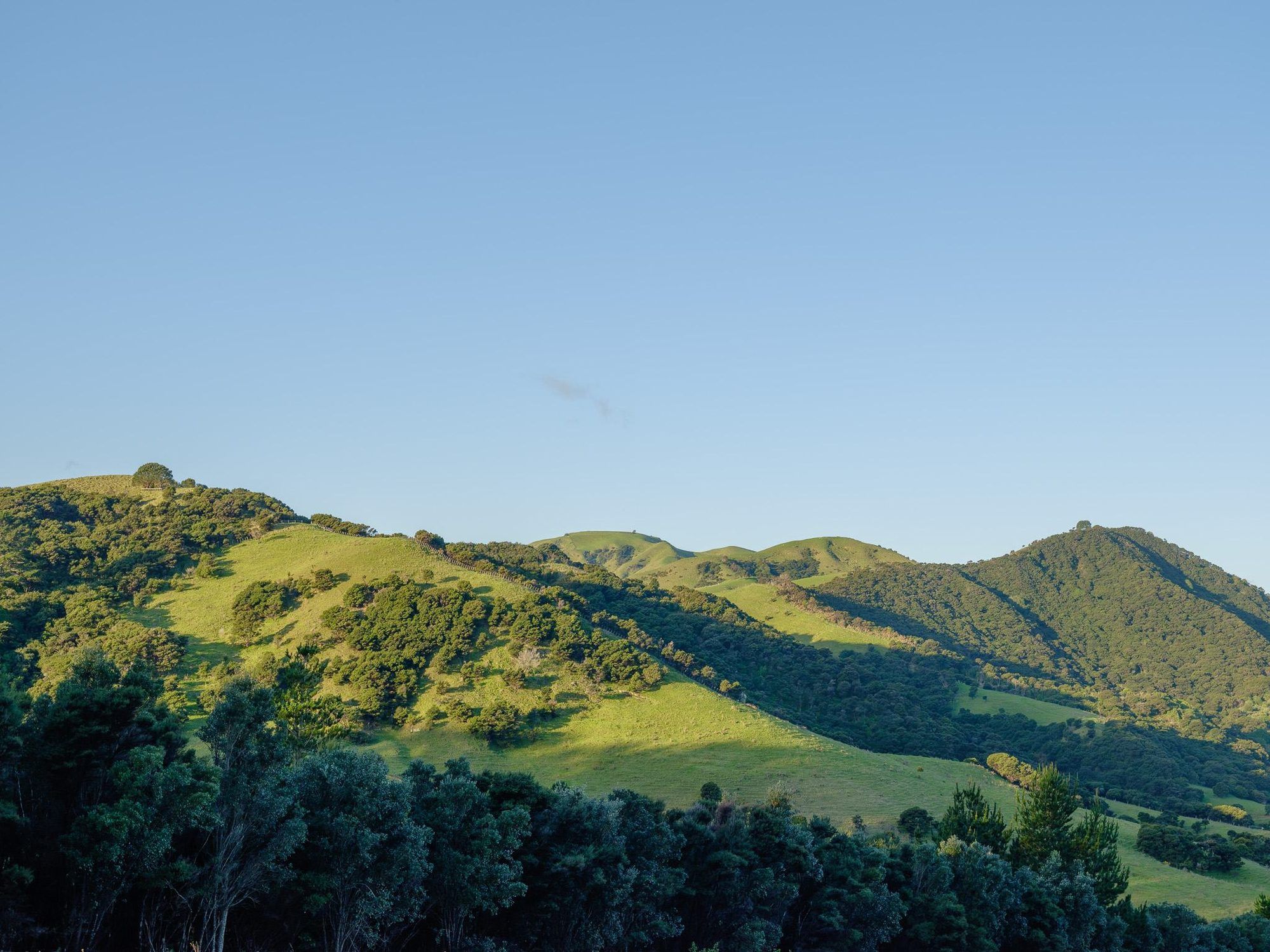
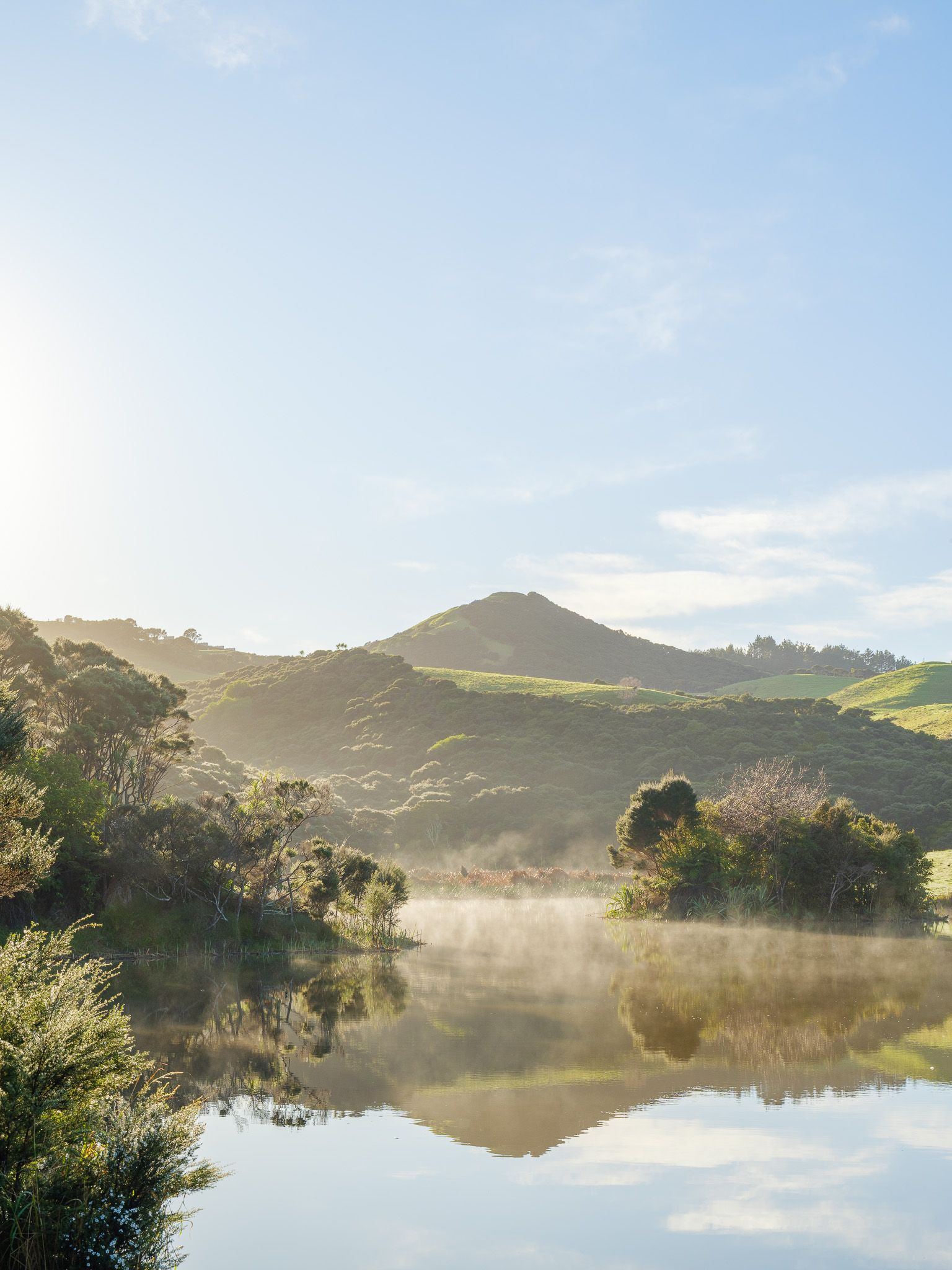
Still water below the hills, mist lifting off the surface Mataka conservation estate
The kiwi is New Zealand's most iconic bird, a living relic of a world before mammals, now fighting for survival against introduced predators. Mataka Station holds what may be the largest population of kiwi on a single private property in New Zealand.
Kiwi are nocturnal and highly territorial. Their survival depends on freedom from dogs, stoats, and rats during the critical egg-incubation and chick-rearing periods. The estate's conservation programme addresses each of these threats systematically, year-round.
Protection Methods
Four pillars of protection
Dog Control
Dogs are generally not permitted within the conservation estate and are tightly controlled elsewhere on the property. This single measure dramatically reduces kiwi mortality across the estate.
Predator Programme
A systematic network of bait stations, traps, and targeted shooting eradicates stoats, rats, and possums, the primary predators that threaten kiwi eggs and chicks.
Native Planting
Ongoing replanting of indigenous species across cleared land restores habitat corridors and expands the forest canopy, supporting diverse birdlife beyond kiwi alone.
Fencing Programme
Approximately 68 miles (110km) of conservation fencing separates protected habitat from farmland, creating distinct management zones that protect native ecosystems.